

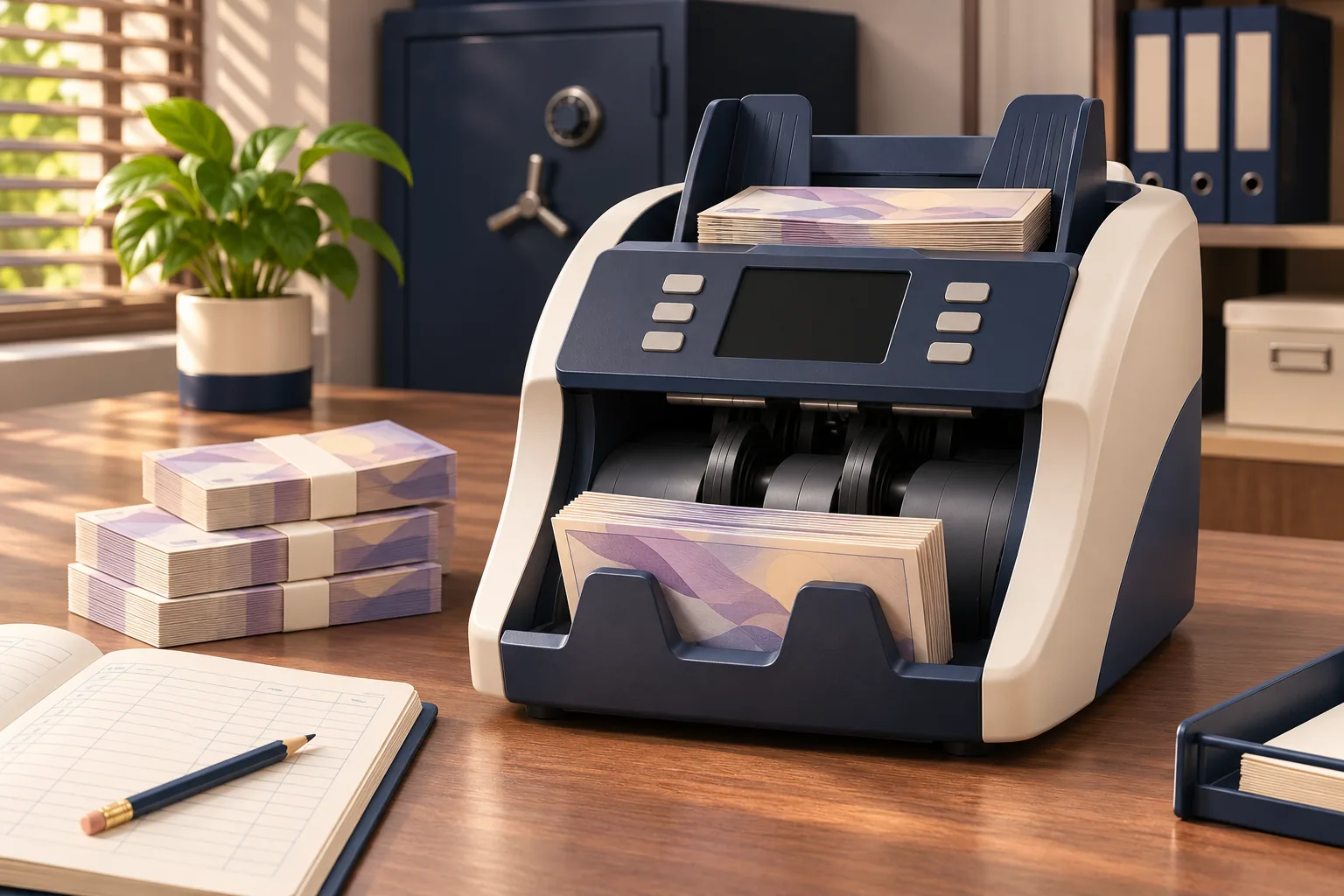
The final customer has left, but the shop’s working day is not finished. Cash must be counted, the next float prepared and the closing record checked. When several tills arrive together, a consistent sequence matters more than rushing to the machine.
A cash counting machine in Sri Lanka can support the physical count. The shop still needs a process that explains what was counted, how it relates to the records and who accepted the handover.
1. Identify the till before moving the money
Give each batch a till and shift reference. Keep its supporting record with it and establish who receives waiting work. A second till should remain distinguishable while the first is being processed.
Assign the counting and review responsibilities under the business’s procedures. The person taking over should be able to see whether a batch is awaiting a count, awaiting a check or ready for handover.
2. Define what the count includes
Follow the shop’s method for separating the retained float from cash being handed over. A machine display cannot explain that distinction unless the operator knows which cash entered the count.
Confirm the functions needed for the task before buying. The Aiken cash counting machine listing is a starting point for discussing the exact configuration. Establish whether the routine needs a piece count, supported value counting or another verified function.
3. Prepare and count the active batch
Use the model’s instructions for preparing and loading notes. Check the selected mode, particularly on shared equipment. Remove unsuitable attachments through the approved preparation process and keep the working area clear.
For an alert or interrupted count, follow the documented response. Keep any exception associated with the same till. Staff should understand when the result needs to be restarted or verified, rather than moving notes between batches to clear the desk.
4. Reconcile against the appropriate records
Compare the physical result with the relevant cash records, including authorised refunds, paid-outs and other movements. A count establishes what is present. Reconciliation explains its relationship to recorded activity.
If there is a difference, preserve the original information and investigate through the agreed route. Changing entries merely to produce an agreement removes the useful evidence. The closing record should show an unresolved issue clearly when it cannot be settled at that stage.
5. Complete a traceable handover
- Record the accepted result and any outstanding issue.
- Label or package the cash under the shop’s procedure.
- Confirm that the receiving person can identify its source.
- Leave equipment faults and unfinished work in the handover record.
Rehearse this sequence on paper before changing the live routine. Follow one till through every step, then identify where another till would wait. This can reveal a missing label or unclear responsibility before staff are under closing-time pressure.
Describe the number of tills, typical batches and peak closing period to Aiken when selecting equipment. The purchase should support a count that staff can explain and review, within an organised end-of-day process.
About The Author